




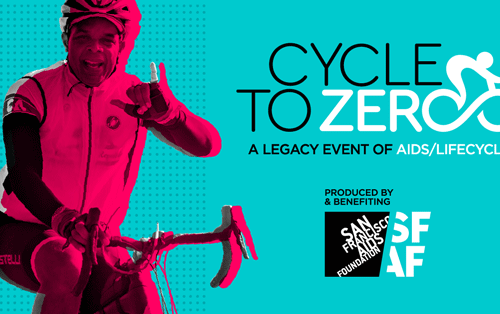
Cycle to Zero Launches May 29-31
Contact: Emily Land, eland@sfaforg Eric Jost, ejost@sfaforg SAN FRANCISCO, May 22,...
San Francisco AIDS Foundation has been a go-to community resource for information about HIV, sexual health and substance use since our founding in 1982. Today, our 200 employees offer more services, programs and advocacy to more people than ever. Learn more about SFAF today on our mission, our work, our advocacy and our impact pages.

For interview and other media requests, please contact our communications team at 415-487-8064.
media@sfaf.org
For the most up-to-date information about HIV, information about our programs and partnerships, and press releases, visit our blog.
Get the Latest
Contact: Emily Land, eland@sfaforg Eric Jost, ejost@sfaforg SAN FRANCISCO, May 22,...
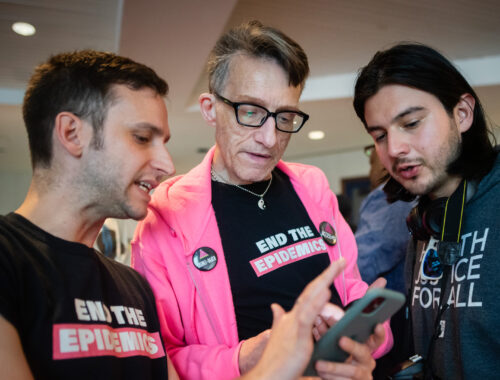
End the Epidemics urges California Legislature to authorize use of $143 million in ADAP rebate funds to stabilize and improve HIV, STI, PrEP, and hepatitis C funding statewide.

Over two years, the cuts to SFAF from the Department of Public Health total more than $1.2 million.
The statewide advocacy coalition was instrumental in bringing $43+ million to STI prevention & treatment.

California SB 1023 would require insurers to pay for injectable PrEP medications in the same way that they pay for oral PrEP medications.

SAN FRANCISCO, February 10, 2026–San Francisco AIDS Foundation (SFAF) is delighted to...
Proposed cuts will disproportionately impact LGBTQ+ health services, culturally and linguistically appropriate services, harm reduction programs, and workforce development pipelines.

SFAF extends our heartfelt thanks to Speaker Emerita Pelosi for her focus and commitment to the HIV community.
San Francisco AIDS Foundation promotes health, wellness, and social justice for communities most impacted by HIV, through sexual health and substance use services, advocacy, and community partnerships. Founded in 1982, SFAF envisions a future where health justice is achieved for all people living with or at risk for HIV, ultimately striving for a day when race is not a barrier to health and wellness, substance use is not stigmatized, HIV status does not determine quality of life, and HIV transmission is eliminated. Each year more than 21,000 people rely on SFAF programs and services and millions more find advocacy tools and information they need online.