

Maintaining hope as an LGBTQ immigrant seeking asylum
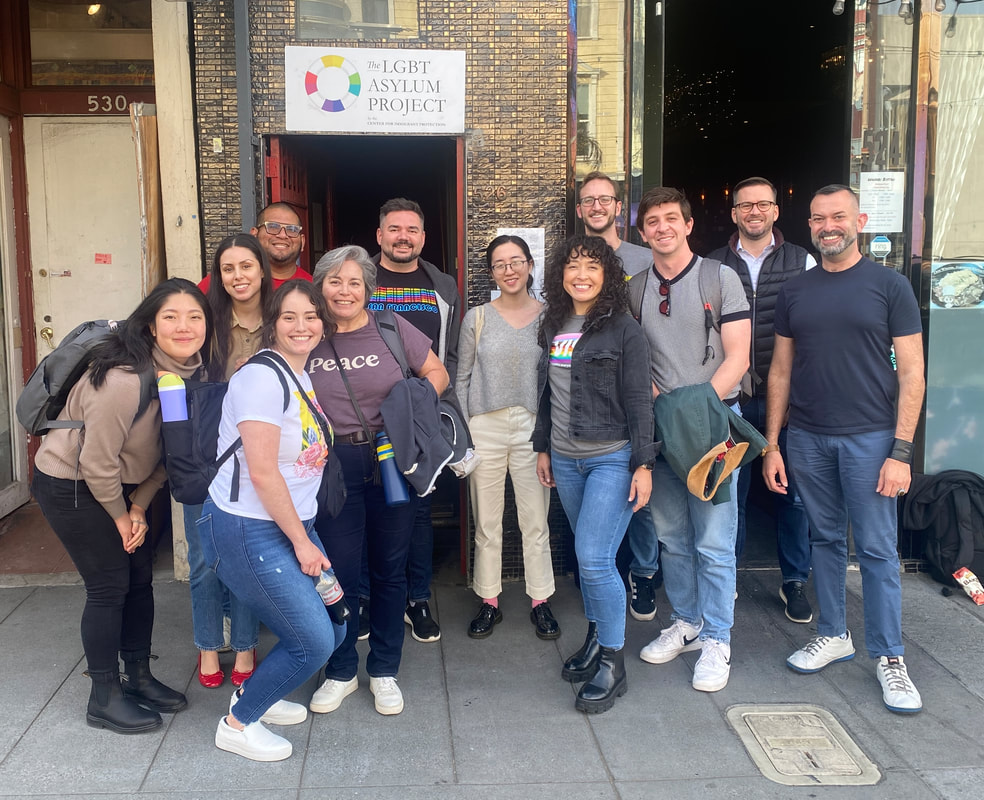
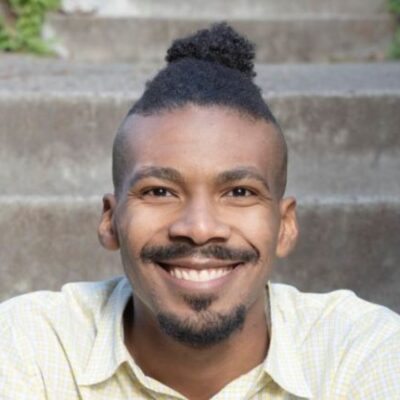
At the LGBT Asylum Project, clients start by filling out an intake form online, hoping that, this time, a government might finally offer them safety. “Most times, it’s the only option left,” says Kenan Arun, a former refugee himself and now executive director of the organization. He’s committed to helping people who’ve faced violence or persecution in their home countries finally find relief in the United States.
Right from that first click of “submit” on the organization’s intake form, the LGBT Asylum Project’s legal team begins sorting. If a client qualifies for a green card through marriage or another path, they’re guided elsewhere. But if asylum looks like the only route, the next step comes fast: a Zoom meeting with an attorney. It’s a tough conversation. Clients are asked to lay out what happened to them, why they can’t go home. The attorney explains how things will play out. Under the current administration’s “last in, first out” rule, new applicants can expect an initial asylum interview within 45 days—a sharp turnaround, meant to weed out what this current administration’s officials call fraudulent claims made by people who aren’t truly among the LGBTQ community.
Despite Washington becoming more hostile to immigrants, the organization’s track record remains strong. “We haven’t seen any changes so far,” Arun says. “Our success rate remains at 99%, and we continue to provide 100% free legal services to LGBTQ+ asylum seekers. We know how to navigate these cases, and we’re committed to maintaining this high standard regardless of who’s in office.”
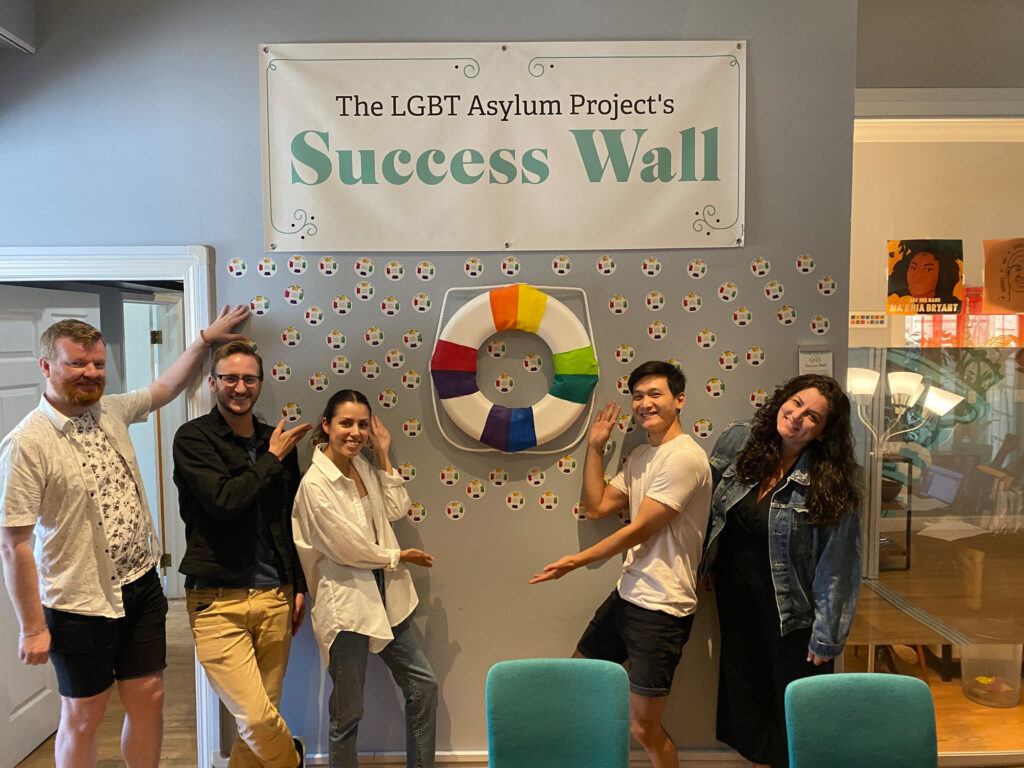
Nonetheless, the emotional cost remains high. Applicants aren’t permitted to leave the country while their case is pending, which will likely include longer wait times under this administration. And even after citizenship, travel is risky. There’s also a noticeable spike in anxiety among those considering asylum. “While the number of people reaching out hasn’t gone down, many are taking longer to decide whether to move forward with their cases,” Arun shares. “After they consult with our Legal Director and learn about the process, we’ve noticed that the time between consultation and decision has gotten longer—likely due to fear and uncertainty.”
Beyond the oral intake call with a lawyer, every applicant must write a personal history, a detailed account of the persecution they’ve faced. For many, this becomes a wall. “So many are blocked,” Arun says. “We can refer them to counselors for support. It’s a lot to relive.” The stories are often harrowing: sexual assault, blackmail, physical violence, even attempts on their lives. Some tried to take their own. The paperwork demands details—when did you first realize you were gay? What happened in your relationships? Why couldn’t you go to the police? Photos from Pride, old text messages from romantic partners, letters from friends and family, screenshots from dating apps, reports on HIV stigma and homophobia in their home countries—all become evidence.
The process is free, but not everyone qualifies for help. “We assist LGBTQ+ immigrants who are eligible for asylum and who can’t afford a private attorney. If someone’s income exceeds the threshold, we refer them to other resources. As part of our intake process, our Legal Director screens potential clients for income eligibility—this is also a requirement under our state funding,” Arun explains.
“Asylum is a bold decision. Nobody wants to leave their birthplace and ask for safety somewhere else,” Arun says. “When you apply for asylum, you are making a decision to take care of yourself. You’re brave enough to say, ‘No, I don’t want to live this way.’ It’s tough to start over and live your life again, but this time for safety.”
But with the support of Okan Sengun, one of the founding attorneys of the LGBT Asylum Project, Arun overcame the challenges of seeking asylum. Now, Arun’s advice to others? “I stayed focused on the present. I kept saying to myself, ‘I’ve done everything by the book, and now I am building my life in safety.’”
Arun’s optimism is notable—even as U.S. policies shift, he believes that “there are always people doing the work to protect LGBTQ+ asylum seekers. Our team shows up every day, adapting to new challenges and fighting for our clients’ safety and dignity. That persistence—and the community around us—gives me hope.”