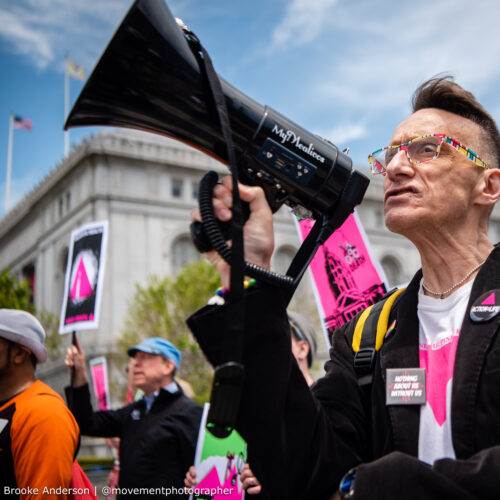
September 18 marks National HIV/AIDS and Aging Awareness Day, a moment to pause, reflect, and honor the resilience of a generation that has weathered unimaginable storms. For our community, aging is both a profound privilege and a unique challenge. It requires us to look back at where we’ve been while advocating fiercely for the support and dignity we deserve as we look ahead.
When I was in Atlanta earlier this spring presenting at the On Aging conference, I was struck by how vital our voices are in the national conversation. We are the pioneers of aging with this lived experience, and our needs—from healthcare to housing—must remain front and center. This is a reality I see every day through my work with Marty’s Place Affordable Housing Corporation. Finding and maintaining safe, affordable housing in San Francisco is more than just an administrative hurdle; it is a cornerstone of our community’s health, stability, and peace of mind as we grow older together.
Community support is just as vital as a roof over our heads. Take, for example, the crucial work we do here at SFAF’s Aging Services. Through initiatives like the Elizabeth Taylor 50-Plus Network, the Damn, Daddy! support group, virtual check-ins, and shared community meals, we are actively working to reduce isolation and foster real connection for gay, bi, and trans men over fifty. We survived a pandemic that fractured our community and left deep emotional scars, but programs like these offer a place to develop friendships, share our experiences, and simply be together. It’s a beautiful reminder that while we have endured trauma, we are still here to create joy and community.
This September 17-20, our voices will carry all the way to Anaheim for the US Conference on HIV/AIDS (USCHA). I am thrilled that the Aging Services Department will be in attendance. During the conference, Vince will be presenting on the San Francisco Model of Care, and the two of us will join our Housing and Subsidy navigation team to present on the history of different housing models. It is vital that we share these blueprints for community care on a national stage.
Yet, even as we build these local support systems and share them nationally, we are forced to navigate an ever-changing and often hostile political environment. The sweeping changes and looming threats facing our fundamental public benefits are terrifying for so many of our peers. Lifelines like Social Security, Supplemental Security Income (SSI), and food stamps are under constant political pressure. For many long-term survivors living on a fixed income, these programs are not extras—they are the only things keeping a roof over their heads and food on the table. The anxiety of navigating strictly outdated SSI asset limits or worrying about cuts to our social safety net is a heavy burden to carry. We fought like hell for our lives in the 80s and 90s; we shouldn’t have to spend our later years fighting just to keep our basic right to survive.
But aging isn’t just about securing our physical needs and fighting political battles; it’s also about preserving our history. Back in May, I had the absolute joy of guiding a group of Tamalpais High School students through the Castro to help them capture footage for a documentary project. Walking those familiar streets and sharing our history with a new generation was a powerful reminder that our legacy lives on through the stories we choose to tell.
As I continue to pour my own memories into the pages of my memoirs, I am constantly reminded of the strength we draw from one another. This September 18, let’s celebrate the lives we’ve built, remember the friends who march beside us in spirit, and continue the vital work of ensuring our community thrives in its golden years.
That work extends directly to the ballot box this November. As we look toward the upcoming election, casting our votes is one of the most powerful tools we have. We must show up to ensure that those elected to represent us truly understand our history, the battles we’ve fought, and the day-to-day realities of long-term survivors and everyone living with HIV/AIDS. Our healthcare, our housing, and our hard-won dignity depend on making our voices heard—loudly and clearly—on Election Day.