
In late September, Governor Newsom signed a number of bills that had been passed by the California Legislature–on everything from carpet recycling to land use. Two bills co-sponsored by San Francisco AIDS Foundation were included, both which will increase access to medications benefiting our communities.
California SB 1023, authored by Senator John Laird (D-Santa Cruz) and championed by the California Legislative LGBTQ Caucus, is expected to help increase access to injectable PrEP medications.
Although there are now two long-acting injectable PrEP options now on the market, uptake of these medications has lagged behind public health hope–and expectations. In San Francisco’s most recent HIV epidemiology report, only about 10% of PrEP clients (151 people out of 1,413) at City Clinic in 2025 were taking a long-acting injectable for PrEP; at SFAF’s clinic at Strut, 9% of new PrEP enrollees in 2025 opted for and received an injectable medication.
There are a few things we can point to that are causing this lower-than-expected uptake (and client choice of course plays a big role), but insurance and access issues are at the top of the list.
The two medications available for injectable PrEP, Apretude (cabotegravir) and Yeztugo (lenacapavir), both carry high list prices–over $20,000 annually. This implications of this pricing trickles down to people with insurance, by acting as a barrier to clinics and pharmacies that may be interested in carrying and providing the medication.
When injectable PrEP medications are classified by insurance companies as a “medical benefit,” clinics and pharmacies must pay for the medications first, and then navigate complex billing procedures in order to seek reimbursement from insurance companies after they are administered.
Simply put, many clinics and pharmacies may not be able–or willing–to put up the financial and administrative resources to purchase these expensive medications.
This new law changes the process, by requiring insurers to pay for injectable PrEP medications in the same way that they pay for oral PrEP–as an outpatient prescription drug benefit.
“With all the changes in funding at the Federal level, access to proven strategies that keep our communities healthy has never been so important,” said Jorge Roman, RN, MSN, FNP-BC, AAHIVS, who leads SFAF’s clinic at Strut. I’m hopeful that the changes produced by this new California state law will open up long-acting PrEP to more community clinics, more pharmacies, and thus more people who may be interested in using long-acting injectable PrEP. We have incredible HIV prevention tools at our disposal, but people must have access.”
It’s estimated that 400,000 people in California have hepatitis C–a curable infection that if left untreated can cause liver damage, cancer, and eventually death.
For many years, the only treatment regimens for hepatitis C infection were months-long courses of interferon-based hepatitis C treatments, which left patients with debilitating side effects, and weren’t particularly effective at curing the infection.
Yet in the modern era of hepatitis C treatment, direct-acting antivirals such as Mavyret, Sovaldi, and Epclusa provide 95% cure rates, only 8-12 weeks of treatment, and only mild side effects. These new therapies, however, come with a hefty price tag–anywhere from $25,000 to $90,000 for the full course of treatment.
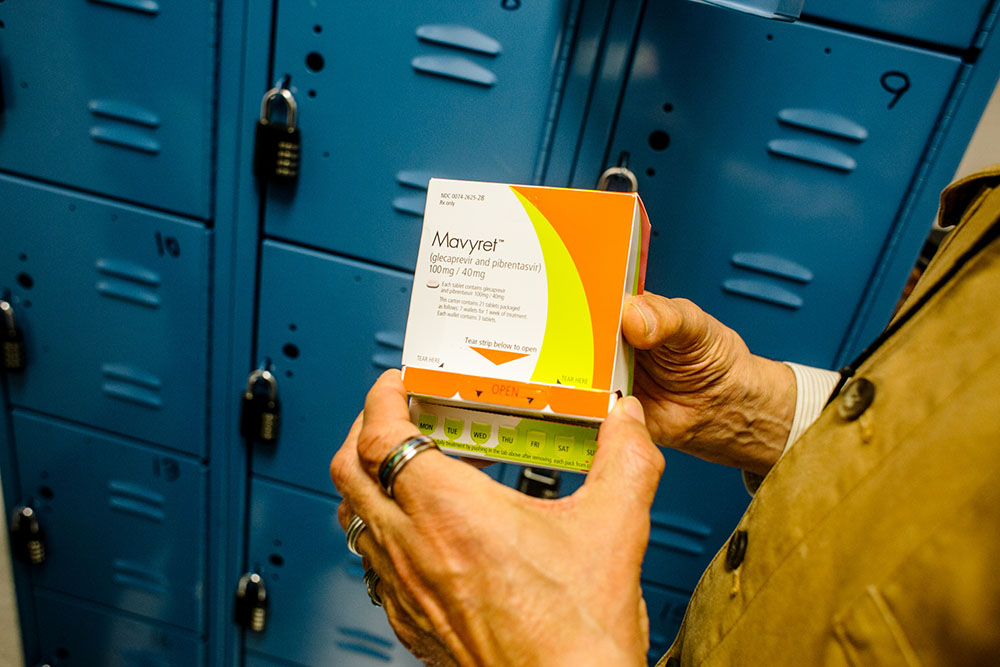
To pump the brakes on use of these expensive medications, insurers have imposed “prior authorization” requirements, which require providers to spend administrative time to justify the use of these medications and seek coverage approval from the insurer.
This ultimately means that most people who are diagnosed with hepatitis C don’t receive timely treatment. (About two-thirds of privately insured people with hepatitis C don’t start treatment within a year of being diagnosed, due in part to prior authorization requirements.)
“No one should miss their chance to be cured of an infectious disease because their insurance company forced them to jump through pointless hoops,” said Jonathan Frochtzwajg, SFAF’s Director of Health Justice Policy.
AB 1843 takes the important step of preventing prior authorizations before insurers cover hepatitis C cure medications.
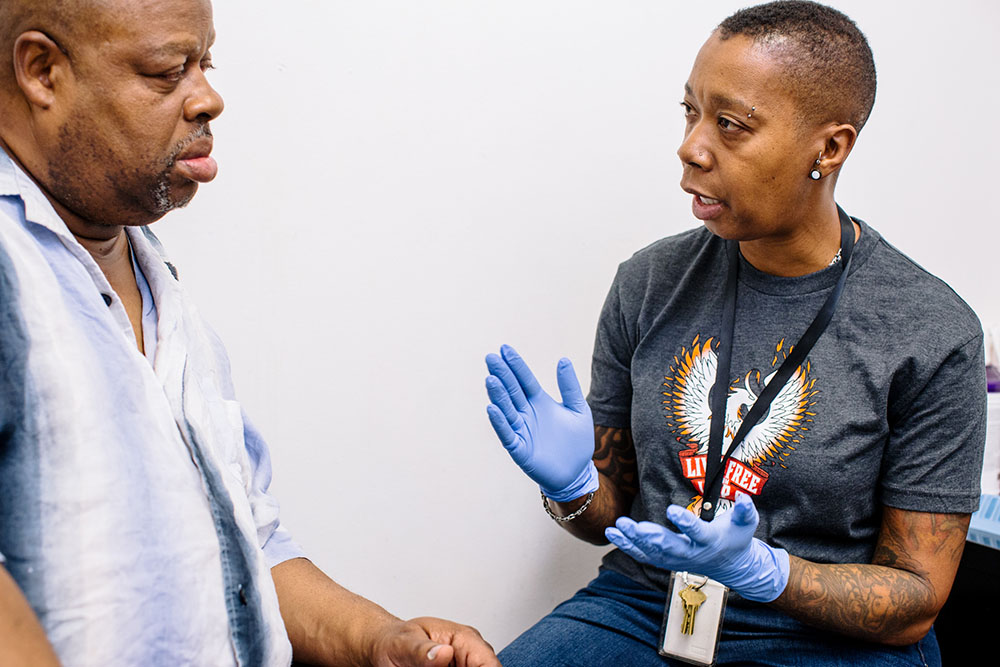
“AB 1843 aligns health plans with current medical guidelines so patients can get treated when they need it, not weeks or months later,” explained Assemblymember Elhawary.
Our clinic at Strut offers Apretude and Yeztugo. If you’re interested, come in for a PrEP appointment. We can help you decide which version of PrEP might be right for you.
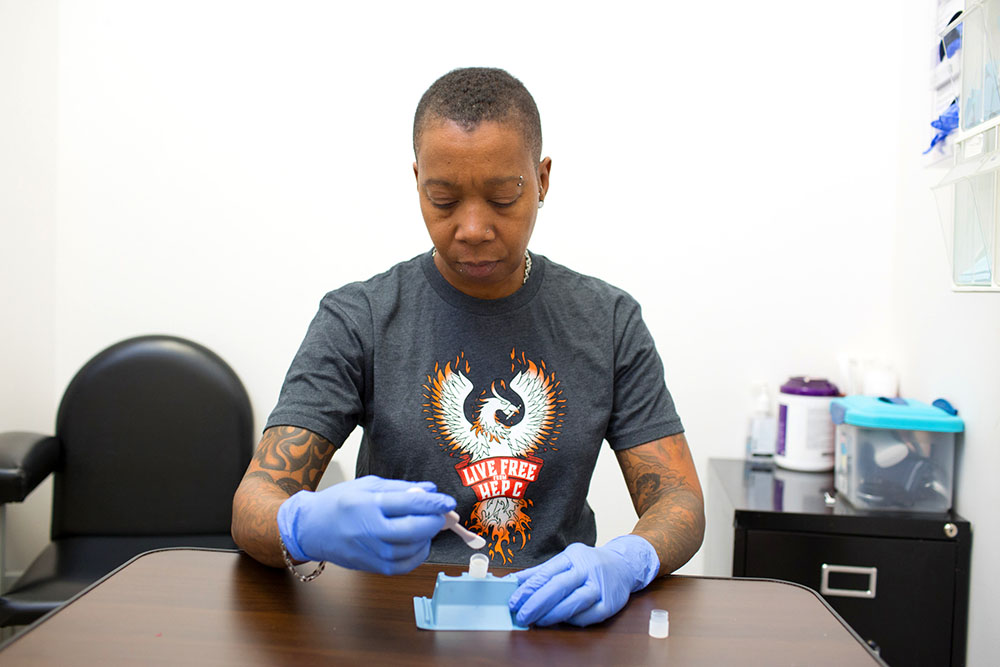
We provide hepatitis C virus testing, treatment, cure and support for people in our communities–including people who have or currently inject. We strongly believe that everyone living with HCV deserves to know they are HCV-positive and that HCV cure is an option.
Donate
Policy wins like these make care easier to get, and monthly donors keep that work going. Join The Justice Collective, SFAF’s community of sustaining monthly donors, and help make sure everyone can get the prevention and treatment they need.