This summer, we are celebrating a massive victory in funding for HIV prevention and care in California. SFAF’s policy team, through the End the Epidemics coalition, played a leading role in securing more than $500 million for HIV-related programs and services in the state budget–a historic, transformative investment that has the potential to change the landscape of the HIV response statewide.
The 4-year plan, which was approved by the California Legislature and Governor Newsom, and endorsed by the California LGBTQ+ Legislative Caucus, makes funds that are part of California’s AIDS Drug Assistance Program (ADAP) Rebate Fund available for a number of high-impact and proven HIV prevention, care, and support services.
Millions of dollars will go to initiatives including PrEP and PEP start and retention programs; rapid HIV antiretroviral therapy projects; HIV and aging projects; emergency department screenings for HIV and other STIs; hepatitis C testing; housing support for people living with HIV; an overdose and harm reduction program (COPHRI); programs that support HIV viral suppression among people released from prison; syphilis and congenital syphilis response; and more (full list at the end of this article).
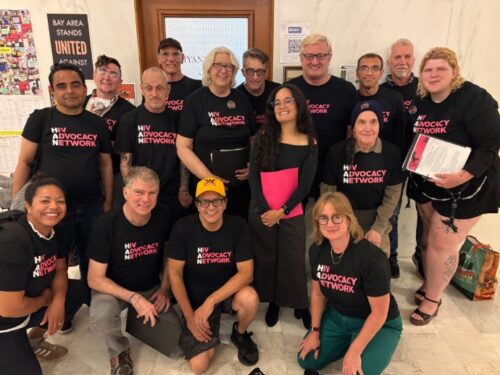
“We were able to put this plan in place because advocates have been building relationships with and educating legislators and their staff for years,” said Laura Thomas, MPP, MPH, senior director of HIV and harm reduction policy at SFAF.
“It didn’t happen all of a sudden–it happened because our elected officials have been hearing from SFAF, other advocates, and other ETE coalition members for years about the ADAP Rebate Fund and about the needs in our communities.”
Photo: SFAF, featuring HIV Advocacy Network (HAN) members, who supported HIV, LGBTQ+ and harm reduction city and state budget advocacy.
Importantly, this funding will not come from California’s General Fund. This means that there are no implications for taxpayers and the funding isn’t coming out of a pot of money that could otherwise go to different state-funded programs.
What is the ADAP Rebate Fund, and why does it exist? The fund was established with rebates paid by pharmaceutical manufacturers for HIV medications purchased by the state, and revenue generated through this mechanism must be used to pay for HIV-related programs.
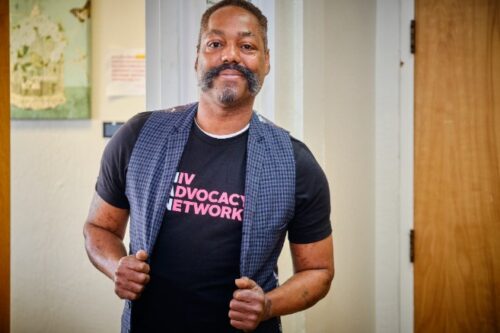
“Early leaders in California were instrumental in recognizing that the state ADAP was the largest purchaser of HIV medication, and used that as a way to establish this fund with the goal of investing that money back into the community for additional services,” said Thomas.
“Being able to expand these services over the years has been a key part of what we’ve collectively done as community advocates.”
Jonathan Frochtzwajg, SFAF’s director of health justice policy, played a key role in researching and shaping the final form of the four-year plan.
“The legislature wanted to have in place a community-informed, thoughtful plan for how to put these dollars to work against the epidemics of HIV, viral hepatitis, STIs, and overdose. We were able to step in, and collaborate with other advocates on a shared vision,” he said.
This year, team members researched the needs that exist across the state–mapping out existing networks of services and the history of funding requests to the state public health department, and making note of areas where additional funding could expand existing services or bring services to underserved areas. The California Legislative LGBTQ Caucus added their own priorities to the funding plan. Months of collaboration led to a comprehensive plan that would allocate pots of funding to a variety of HIV prevention and treatment initiatives.
The $33.8 million allocated for PrEP and PEP, for example, is based on a real need identified during the last round of funding requests for PrEP and PEP programs.
“We didn’t pluck $33.8 million out of thin air,” explained Frochtzwajg. “This is the amount that should have been funded the last time the state invested in PrEP and PEP initiation and retention–except they simply didn’t have enough resources to fund all of the high-quality projects that were proposed. So this package of investments is using the resources that we do have to finally meet the need that exists.”
The plan also includes $62 million over three years to support people living with HIV who need housing assistance.
“Housing is critical for people living with HIV, and many people living with HIV in California struggle to find and keep affordable housing,” said Vince Crisostomo, director of aging services at SFAF. “Housing really has been the number one issue among people over 50, and the need grows as people age. We know that housing is healthcare. People who have stable housing are better equipped to take care of their health and remain virally suppressed.”
“Although we have HOPWA [Housing Opportunities for Persons With AIDS] housing support in California, it’s not sufficient to address the housing insecurity that exists for people living with HIV,” said Frochtzwajg. “And like many federal programs, we’re seeing HOPWA becoming increasingly restrictive. This new funding will give the state more flexibility to provide much-needed housing support.”
Funding from the plan is set aside for a number of high-impact initiatives that address gaps in testing, prevention, treatment, and support.
Over four years, $16.25 million will go to the California Overdose Prevention and Harm Reduction Initiative (COPHRI), which supports HIV and hepatitis C prevention, safer use tools, health education, and overdose prevention.
“Many people are still vulnerable to HIV transmission if they are not able to access sterile drug use supplies,” said Thomas. “COPHRI is the state funding that we have for this very important HIV prevention intervention. This is the third time that we’ve expanded funding for COPHRI, which has helped us to dramatically expand access across the state. We have to make sure that people don’t need to travel hundreds of miles to access services–we need sterile syringe access and other harm reduction services in the communities where people live.”
$3.4 million will go to programs that help people released from state prison maintain viral suppression as they enter the community.
“This is a notable gap in our HIV safety net care,” said Frochtzwajg. “We know that people living with HIV are getting effective HIV treatment when they’re in state prison. But once people are released to the community, we have data to show that HIV care outcomes really drop off. People fall out of care, they aren’t able to continue medication, rates of viral suppression go down. So being able to ensure that people establish good care once they’re released, and are supported in maintaining their health–this could be transformative.”
Another $60 million is set aside for routine emergency department screening for HIV, hepatitis C, and syphilis.
“This is one of the initiatives I’m most excited about because emergency departments are really key in identifying HIV, syphilis, and hepatitis C infections,” said Frochtzwajg. “Unfortunately, the emergency department is the only place a lot of people are going to be screened for these infections. So this is a worthy investment that will help California diagnose and treat many more of these infections.”
“In developing this plan, we really were able to take many issues ‘off the shelf,’ in a way,’ said Thomas. “The community had already identified the issue, developed and proposed a solution, and tested the initiative on a smaller scale. But we’ve reached a point where the funding simply isn’t sufficient. This was our opportunity to come in and scale up programs that we know make a difference.”
“This spending package showcases California’s commitment to following public health best practices,” said Frochtzwajg. “We are holding the line on HIV prevention and care, no matter what happens at the federal level.”
There are many community advocates, partners, coalitions, and elected officials that have been champions of this spending plan and have moved it forward, including but not limited to: End the Epidemics, the California Legislative LGBTQ+ Caucus, the State Office of AIDS, and members of the California Legislature and Governor Newsom.